
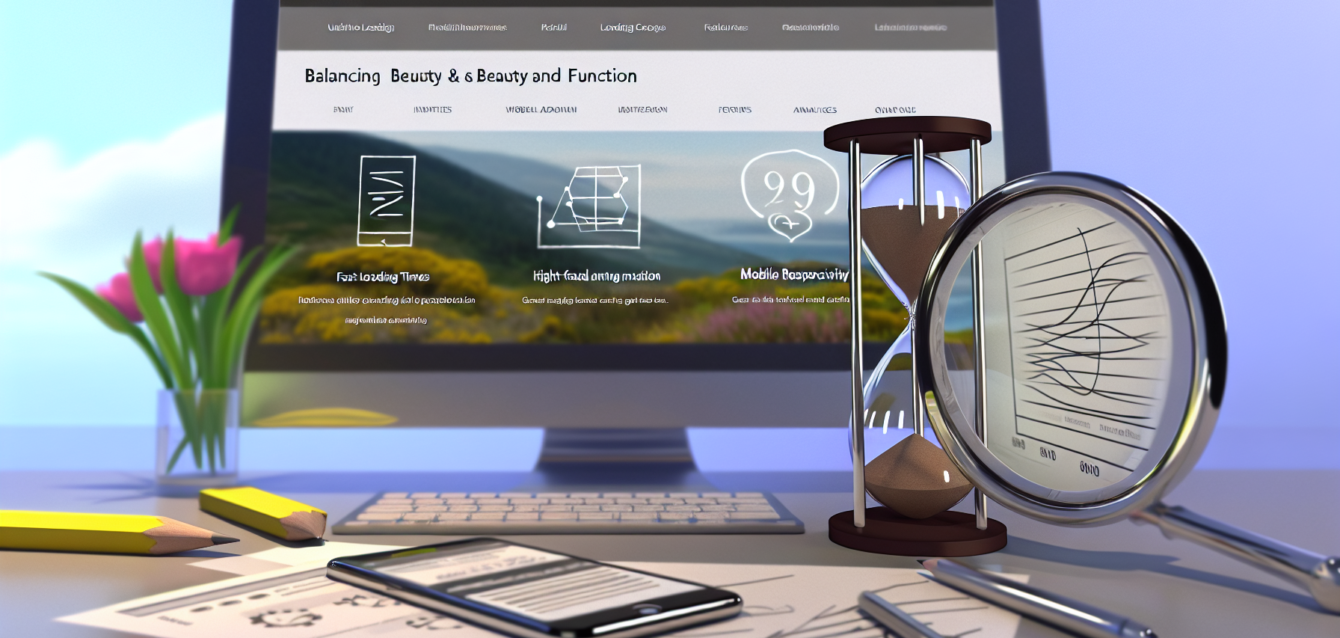
Maximizing Website Conversions: A Balance of Beauty and Function
In the digital age, a website serves as a cornerstone of any business. It’s often the first point of contact for potential customers. While the aesthetics of websites have dramatically improved over the years, many still struggle with conversion rates. Understanding why visually appealing websites fail to convert is crucial for businesses seeking to maximize their online impact, including those represented by The Dreamer Designs.
Aesthetics vs. Functionality
A good-looking website can catch the eye, but it’s important to remember that beauty alone is not engaging enough to drive conversions. Visitors are looking for intuitive navigation, quick loading times, and mobile responsiveness. If a website is visually stunning yet difficult to use, visitors will quickly lose interest. Balancing aesthetic appeal with functionality is the key; a design needs to invite users in while also guiding them seamlessly toward conversion.
User Experience Matters
User experience (UX) is pivotal in determining whether visitors stay on your site or bounce away. Factors like slow loading speeds, complex navigation, and unresponsive designs can lead to frustration. A website like The Dreamer Designs emphasizes the importance of user experience. By creating designs that consider the visitor’s journey from entry to action, businesses can create a more engaging atmosphere. When UX is prioritized, users are not only more likely to stay longer but also complete desired actions, whether that be purchasing a product, signing up for a newsletter, or contacting the service team.
Clear Calls to Action
Even the most beautiful websites can fail to convert without clear calls to action (CTAs). CTAs guide users toward the next steps and should be strategically placed throughout your web pages. A well-designed website should create a pathway that nudges the visitor toward taking action, whether it’s filling out a contact form or making a purchase. Balancing design elements with effective CTAs can enhance conversion rates significantly. Visitors should never have to guess what to do next.
Know Your Audience
Another reason why websites fail to convert is the disconnect between the site’s content and the audience’s needs. Businesses should conduct thorough market research to understand their target demographic. By tailoring the messaging and design of a website to serve those needs, businesses can create a more relevant experience. For instance, if The Dreamer Designs caters to a specific audience of creative professionals, featuring content that resonates with their aspirations and challenges can significantly improve engagement and conversion rates.
Content That Connects
Content is king, and it plays a vital role in converting visitors into customers. Simply having well-written text may not be enough. Engaging content should incorporate storytelling, high-quality images, and videos that capture the essence of what a brand represents. The more personal and relatable a story, the more likely it is to elicit an emotional response from the user, encouraging them to take action.
Analytics and Continuous Improvement
Websites must continuously adapt to meet user needs and improve conversion rates. Tools like Google Analytics can provide invaluable insights into user behavior. Analyzing data trends allows businesses to make informed decisions about design tweaks, content adjustments, or marketing strategies that could enhance user engagement. It’s essential not to view a website as a static entity, but rather as a dynamic platform that requires ongoing enhancements.
In summary, while having a visually appealing website is crucial, ensuring it is functional, user-friendly, and aligned with audience needs is essential for conversion. At The Dreamer Designs understanding these principles is fundamental to developing websites that don’t just look good but also effectively convert visitors into loyal customers.
#webdesign #conversionrate #userexperience #digitalmarketing #businessgrowth #websiteoptimization #contentmarketing #analytics