
Beyond Redesign: Crafting a Winning Conversion Strategy
In today’s digital landscape, having an appealing website is only half the battle for success. Many businesses believe that a single website redesign is the key to improving their online presence and boosting conversions. However, a conversion strategy is far more critical than a one-time redesign. This strategy focuses on how to turn visitors into customers consistently while ensuring that your website evolves with changing visitor needs.
Understanding Conversion Strategy
A conversion strategy is a comprehensive approach that involves optimizing various elements of your website to enhance user experience, engagement, and ultimately, conversion rates. It considers factors such as user behavior, content relevance, call-to-action effectiveness, and overall design to create a seamless journey for visitors. Instead of merely reshaping aesthetic aspects, a well-thought-out conversion strategy ensures that every component of your website serves a purpose in driving results.
The Limitations of Redesigns
While a website redesign can refresh your brand’s image, it often falls short of addressing persistent conversion issues. A redesign is typically a one-off project that may temporarily enhance visual appeal but does not intrinsically solve the underlying problems that hinder conversion rates. For instance, a beautifully designed landing page without compelling content or an effective call-to-action can still fail to convert visitors into customers. Regular redesigns can lead to wasted resources if they fall short of a robust strategy that continually engages users.
Emphasizing User Experience
A pivotal aspect of a successful conversion strategy is prioritizing user experience (UX). If visitors struggle to navigate your site or find relevant information, they’re likely to leave without taking action. By conducting user testing and analyzing data, businesses like The Dreamer Designs can identify usability issues and refine their website accordingly. This focus on UX leads to higher engagement and increased chances of conversion over time.
Data-Driven Decisions
The backbone of a successful conversion strategy is data. Regularly analyzing visitor interactions with your website offers insights into what is working and what is not. By using tools such as Google Analytics, you can track key performance indicators (KPIs) that highlight areas of improvement. A comprehensive approach that incorporates data allows businesses to make informed decisions instead of relying solely on subjective design opinions.
Continuous Improvement
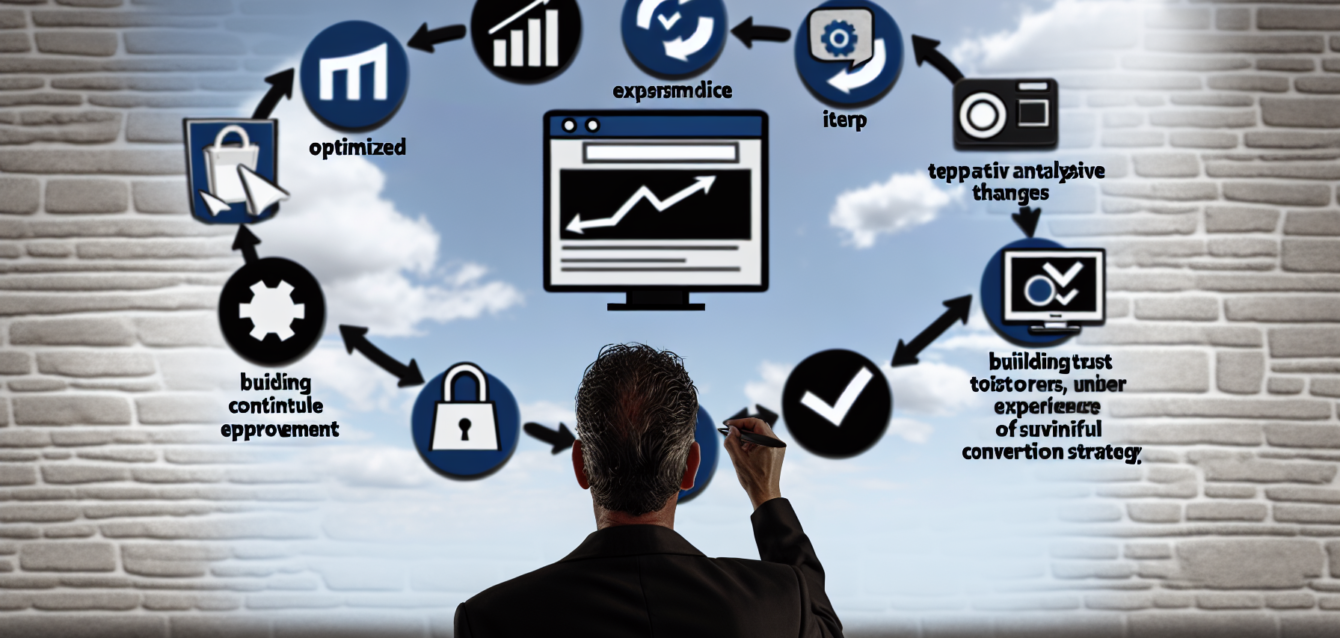
In contrast to a one-time redesign, a conversion strategy advocates for continuous improvement. It’s not just about making changes; it’s about implementing a cycle of testing, learning, and iterating. By making smaller, incremental adjustments based on direct user feedback and behavior analysis, you can optimize your site for conversions regularly. This process leads to an adaptive website that evolves with your audience’s preferences, maximizing its potential.
Building Trust and Credibility
A conversion-oriented approach also emphasizes building trust with your audience. Transparency, secure payment options, and meaningful engagements are critical in establishing credibility. A website that fosters trust is more likely to convert visitors into loyal customers. The Dreamer Designs effectively integrates trust-building elements within their website, enhancing user comfort and driving conversion rates.
Conclusion
Investing in a robust conversion strategy is essential for any business looking to thrive in the online marketplace. While website redesigns can provide short-term benefits, they do not replace the need for a continuous, data-driven approach to improve conversion rates. By focusing on user experience, leveraging data, and committing to ongoing improvements, businesses can create a powerful online presence that translates visitors into long-term customers.
#conversionstrategy #userexperience #datadriven #digitalmarketing #websiteoptimization #trustandcredibility #continuousimprovement