
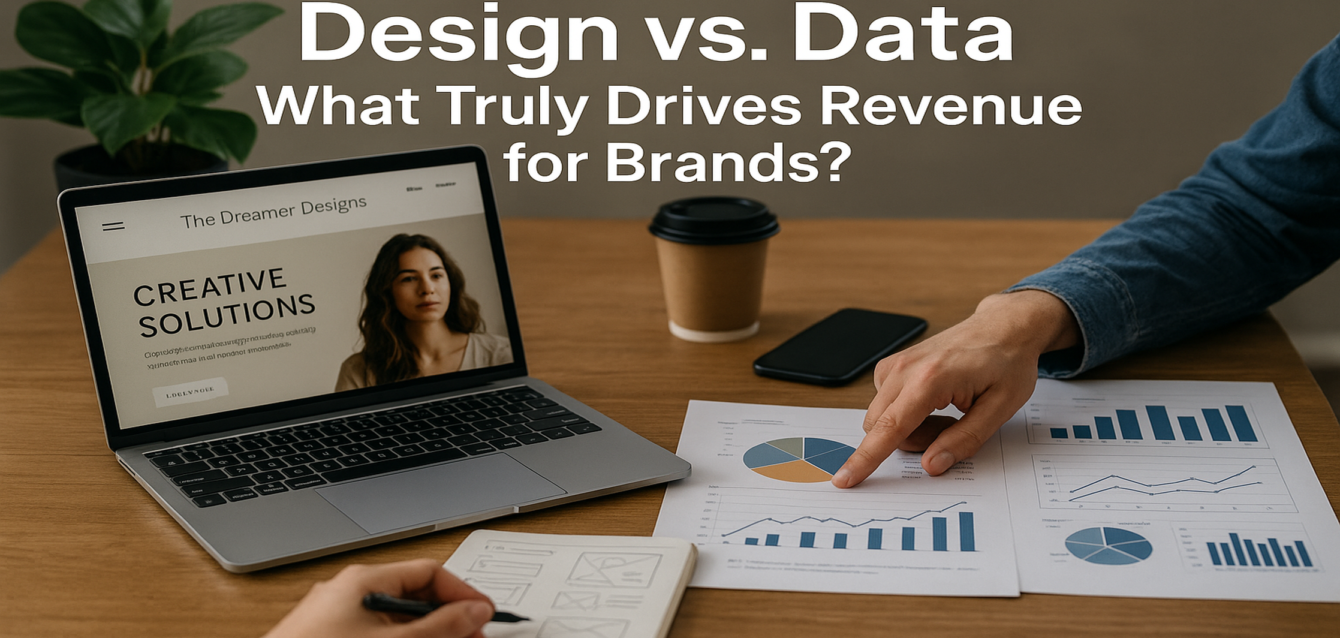
Design vs. Data: What Truly Drives Revenue for Brands?
In today’s fast-paced digital landscape, businesses face a crucial question: what truly drives revenue, design or data? The debate is important for brands like The Dreamer Designs which specialize in creating visually appealing and user-friendly products. Understanding the balance between aesthetic design and data-driven strategies can significantly impact your bottom line.
Design as a Revenue Driver
A compelling design is not just about aesthetics; it encapsulates the identity of a brand. In a world saturated with options, consumers are drawn to well-designed products that evoke emotions and resonate with their values. Good design creates a user-friendly experience, making it easier for potential customers to navigate through offerings.
An effective design strategy can elevate a brand’s narrative, nurturing connections that inspire trust and loyalty. For instance, when The Dreamer Designs creates visually striking and functional products, they are not just selling items; they are offering an experience. This experience translates into higher user engagement and, ultimately, revenue.
Data as a Revenue Driver
On the other hand, data analytics provides insight into customer behaviors, preferences, and market trends. Businesses that utilize data can make informed decisions, optimizing their marketing strategies and product offerings. This rational approach can lead to increased conversion rates and improved customer retention.
For instance, analyzing customer feedback and purchase history allows brands to tailor their designs and marketing strategies to better meet their audience’s needs. By leveraging data, companies can pinpoint which products resonate most, refine their target demographic, and allocate resources efficiently toward high-performing campaigns.
The Synergy Between Design and Data
While both design and data possess unique strengths, the true magic happens when they work together. A beautiful design can capture attention, but it is data that helps refine that design to increase conversions. For instance, if a specific color scheme performs better based on A/B testing, businesses can adjust their interfaces while still maintaining their brand’s aesthetic integrity.
Moreover, customer behavior data can inform design changes that enhance usability. Businesses thriving in today’s environment recognize that a seamless integration of creative design and analytical data leads to optimal results. The Dreamer Designs demonstrates this approach, using feedback and analytics to continuously improve both the visual appeal and functionality of their products.
Measuring Success
Tracking the impact of both design and data on revenue is essential. Companies need to establish key performance indicators (KPIs) that measure not only sales figures but also customer satisfaction, engagement levels, and brand perception. These metrics can provide insights into which strategies yield the best results, allowing for continuous improvement.
Integrating design and data insights into your overall strategy can lead to new opportunities and innovative product offerings. Incorporating user feedback and analytical insights allows brands to stay ahead of the curve and remains responsive to market changes.
Conclusion
In the end, the debate between design and data is not about choosing one over the other. Instead, the most successful strategies will find a balance between the two. By embracing creativity informed by solid data, brands like The Dreamer Designs can drive revenue through customer-centric solutions that resonate on both an emotional and functional level.
#Design #Data #RevenueGrowth #BrandStrategy #CustomerExperience #Marketing #Innovation #UserEngagement