Driving traffic to a landing page is only beneficial when that traffic translates into measurable business results. Many businesses invest heavily in paid ads, SEO, email marketing, and social campaigns, yet still struggle to generate sufficient leads or sales. The issue often lies not with the traffic itself but with what happens after visitors arrive. This is where Unbounce CRO services can make a significant impact by helping businesses enhance landing page performance, reduce friction, and increase conversion rates.
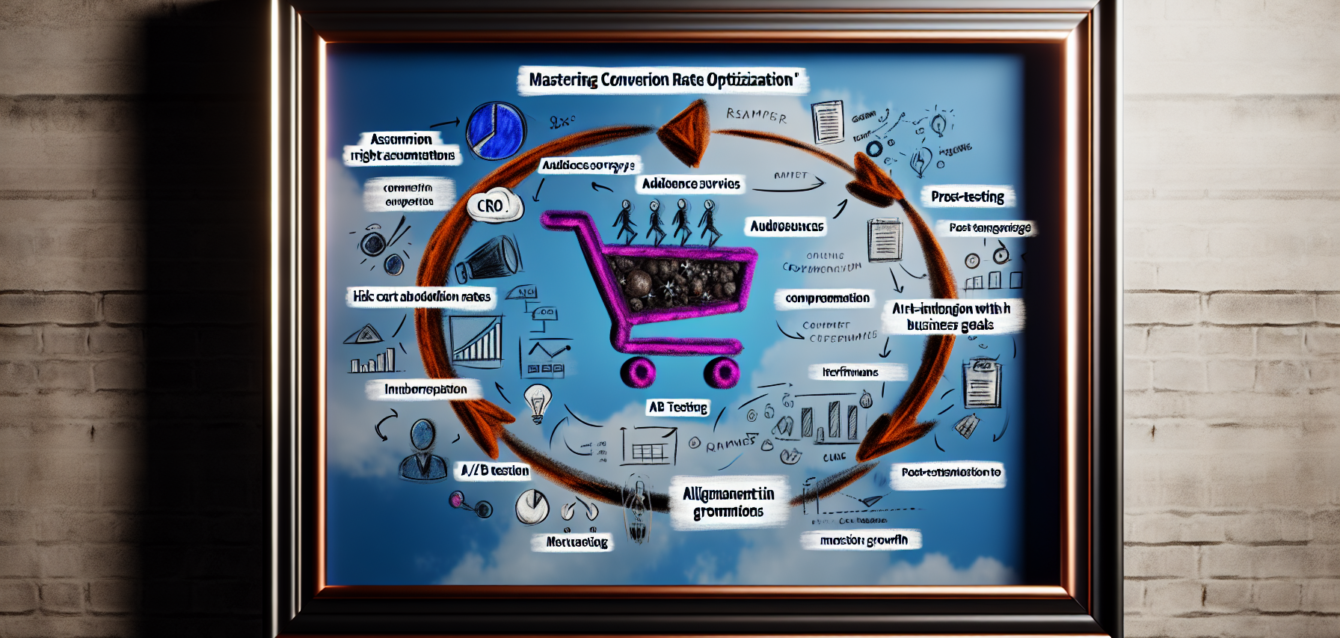
Conversion rate optimization (CRO) aims to improve the percentage of visitors who complete a desired action—be it submitting a form, booking a consultation, starting a free trial, downloading a guide, requesting a demo, or finalizing a purchase. When paired with Unbounce landing pages, CRO provides marketers with a structured approach to test, measure, and enhance campaign performance without the need to overhaul an entire website.
Unbounce CRO services involve analyzing, enhancing, and testing landing pages created with Unbounce to maximize conversions. Instead of simply designing a page and leaving it unchanged, CRO specialists assess how visitors interact with the page to pinpoint areas that may discourage action.
This process can involve evaluating headlines, offers, calls-to-action, forms, page structure, mobile usability, social proof, visual hierarchy, and campaign messaging. Unbounce conversion optimization emphasizes understanding visitor hesitation and implementing changes that create a clearer pathway to conversion.
A robust CRO process often begins with an audit. An Unbounce landing page audit helps identify potential issues before any modifications are made. The audit may assess whether the headline effectively conveys the offer, if the CTA is prominent, if the form requests excessive information, and if the landing page aligns with the advertisement or campaign directing traffic to it.
Factors such as page speed, mobile usability, trust signals, and content structure can also be examined. The goal is to identify elements that may create friction. A visually appealing page may underperform if its messaging is unclear or if visitors find it challenging to determine their next steps. A comprehensive audit lays the groundwork for targeted landing page optimization.
Another critical aspect of CRO is message matching. When a visitor clicks on an advertisement promoting a specific offer, the landing page should continue that same message. If an ad for a free website audit leads to a general services page, the experience may feel disjointed. With Unbounce marketing campaigns, businesses can create tailored pages for different ads, audience segments, and offers.
For example, traffic from a PPC campaign focused on lead generation can be directed to a page specifically designed for that purpose, while another campaign targeting e-commerce can utilize a different page with messaging directed at online stores. Enhanced message matching fosters a more relevant experience and can increase conversion likelihood.
The headline is often the first element visitors notice, so it must communicate value swiftly. A weak headline may merely describe the company without stating what visitors gain. A more compelling headline addresses the customer’s problem or desired outcome. For high-converting Unbounce landing pages, the headline and supporting text should clearly answer three questions: what is being offered, who is it for, and why should the visitor care? The value proposition should emphasize benefits over features. Instead of saying, “Our platform includes automated reports,” a more conversion-focused approach might be, “Save hours every week by automating your marketing reports.” Clear messaging helps visitors grasp the offer quickly and minimizes uncertainty.
Calls-to-action (CTAs) are among the most vital components of a conversion-focused page. Generic buttons like “Submit” or “Click Here” may not convey enough value. CRO specialists often test more specific language, such as “Book My Consultation,” “Get My Free Audit,” “Start My Free Trial,” or “Request a Demo.” Through Unbounce CTA optimization, marketers can explore different wording, placement, and visual emphasis. The CTA should be easily identifiable without overwhelming the design, and repeating the primary CTA at critical points on longer landing pages can facilitate action whenever visitors are ready. Consistency is essential, and while multiple buttons may be present, they should generally support the same conversion objective.
Forms are integral to many Unbounce lead generation campaigns, but they can also pose significant barriers to conversion. Visitors may abandon a page if a form feels too lengthy, complicated, or requests information they are not prepared to provide. CRO services often evaluate the number of fields on forms to ascertain whether each is genuinely necessary.
A simple lead magnet might only require a name and email address, while a more detailed business consultation may justifiably ask for a company name, website, budget, or project requirements. The goal is to strike a balance between the information the business needs and the effort visitors are willing to exert.
Social proof can mitigate uncertainties visitors may have regarding an offer. Testimonials, customer logos, case studies, reviews, certifications, awards, and measurable results can all enhance credibility. For Unbounce conversion rate optimization, social proof should be strategically placed to support the decision-making process. Testimonials positioned near a form or CTA can reassure visitors precisely when they are contemplating conversion.
One of the key advantages of Unbounce A/B testing is its ability to compare different page variations based on data rather than assumptions. Marketers can test elements such as headlines, CTAs, images, forms, layouts, testimonials, offers, or pricing messages. For instance, one page may utilize a short form while another employs a longer one, or one variation might highlight cost savings while another focuses on time savings.
Testing meaningful changes and carefully analyzing the results are crucial. Testing multiple variables simultaneously can obscure the reasons for any performance improvements. A structured CRO process generally evaluates one major variable at a time.
Mobile visitors should have an experience as seamless and straightforward as desktop users. An Unbounce mobile landing page should be easy to read, quick to navigate, and simple to complete forms on. CRO services may assess font sizes, button dimensions, image scaling, form layouts, and section lengths to identify mobile-specific friction. Key content and CTAs should be positioned prominently, ensuring visitors do not need to zoom or scroll horizontally. Mobile optimization is particularly important for campaigns generating traffic from social media, search ads, and email.
Landing page speed can also significantly influence conversion performance. Large images, unnecessary scripts, videos, and complex design elements may hinder the experience and lead to frustration. As part of Unbounce landing page optimization, CRO specialists might suggest compressing images, eliminating unused elements, reducing unnecessary third-party scripts, and streamlining complex sections. The aim is to maintain an appealing design while improving speed; each element should justify its impact on performance.
CRO is an ongoing process. Once changes are implemented, it’s essential to monitor performance through conversion rates, lead quality, form completion, campaign data, and other relevant metrics. If a landing page attracts traffic but fails to yield sufficient conversions, potential issues may lie with the offer, messaging, CTA, targeting, trust signals, or overall user experience.
Continuous Unbounce CRO services assist businesses in identifying challenges and enhancing campaigns over time. Each test generates new insights that can inform future landing page optimizations.
In conclusion, Unbounce CRO services aim to maximize the value derived from the traffic you already generate. Rather than immediately increasing advertising spend, businesses can enhance the user experience following clicks. An effective CRO process includes landing page audits, refined messaging, optimized CTAs, streamlined forms, social proof integration, mobile optimization, speed improvements, and iterative A/B testing.
By strategically leveraging Unbounce conversion optimization, businesses can develop landing pages that are not only visually appealing but also focused on achieving measurable outcomes. The most effective approach is straightforward: analyze, test, learn, and improve. Over time, these enhancements can help convert more visitors into qualified leads, customers, and valuable business opportunities.
#UnbounceCROServices #UnbounceConversionOptimization #UnbounceLandingPages #UnbounceLandingPageBuilder #UnbounceA/BTesting #UnbounceLeadGeneration #UnbounceCTAOptimization #UnbounceLandingPageAudit #UnbounceMobileLandingPage #ConversionRateOptimization #LandingPageOptimization #UnbounceCROAgency