Customer acquisition is becoming increasingly expensive. Businesses are investing more in advertisements, content, sales teams, tools, and campaigns to attract new customers. Concurrently, consumers are becoming more discerning about what they engage with, which brands they trust, and where they spend their money. This scenario places additional pressure on marketing teams to maximize their efforts within the same budget. Here, artificial intelligence can play a transformative role.
AI can help businesses lower customer acquisition costs by making marketing more targeted, efficient, and data-driven. Instead of casting a wide net and hoping for the best, companies can utilize AI to identify strong prospects, personalize campaigns, automate repetitive tasks, and enhance conversions. The goal is not merely to cut expenses but to invest more intelligently.
Understanding the Sources of Customer Acquisition Costs
Before attempting to lower customer acquisition costs, it is essential to understand their drivers. Customer acquisition cost (CAC) encompasses the total expenditure required to acquire a new customer, including advertising costs, sales salaries, marketing software, creative production, agency fees, and other expenses related to generating and converting leads.
A high CAC does not automatically indicate a failing marketing strategy. Sometimes, businesses operate in highly competitive markets. However, if acquisition costs continue to rise while conversion rates stagnate, opportunities for efficiency improvement may exist. AI can help identify wastage and pinpoint activities yielding the best returns.
Leveraging AI for Improved Audience Targeting
One significant way to waste marketing budgets is by showing ads to audiences unlikely to convert. Traditional targeting often depends on broad demographics, interests, or locations. AI goes further by examining behavioral patterns to identify individuals who resemble a company’s best existing customers. For instance, AI can analyze factors like past purchases and website engagement to identify audiences with a higher buying intent. By prioritizing these individuals, marketers can minimize wasted impressions and clicks, resulting in more qualified leads from the same advertising budget.
Identifying High-Intent Leads Quickly
All leads are not created equal. While some individuals may only be conducting preliminary research, others are actively comparing solutions and ready to make a purchase. AI lead scoring can differentiate these groups by analyzing behaviors such as pricing page visits, demo requests, and email engagement, thereby ranking leads according to their likelihood of conversion. Consequently, sales teams can focus their efforts on higher-intent prospects, leading to improved productivity and shorter sales cycles, which may reduce overall acquisition costs.
Efficient Personalization of Marketing Efforts
Personalization enhances campaign performance, but crafting tailored content for every customer segment can be challenging. AI simplifies this process. Businesses can leverage AI to modify website messaging, email content, offers, and advertisements based on customer behavior or audience segments. For example, a visitor interested in web design might see different content than one interested in marketing automation. Personalized experiences are more likely to engage customers, resulting in higher conversion rates.
Enhancing Advertising Performance
Paid advertising is a major contributor to customer acquisition costs. AI improves ad performance by analyzing extensive campaign data to identify patterns that manual analysis might miss. It can also assist in generating multiple versions of ad copy and creative ideas for testing, enabling businesses to experiment efficiently and discover which messages resonate most with their audience.
Optimizing Landing Page Conversion Rates
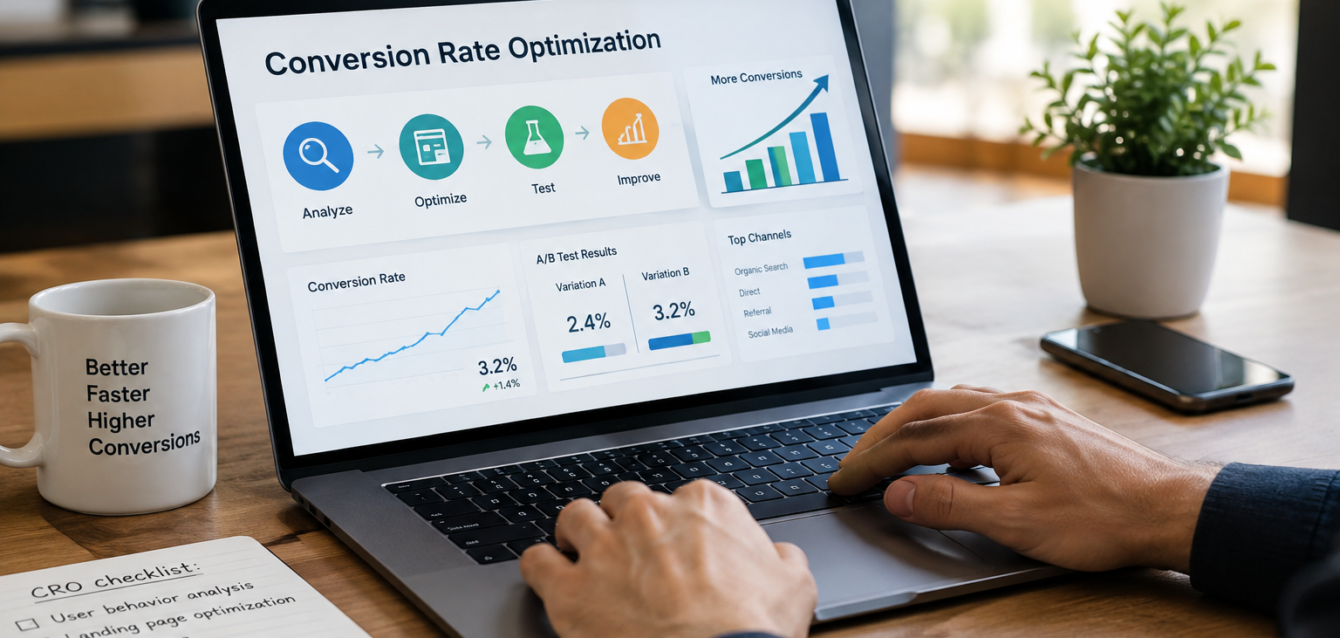
Reducing CAC isn’t solely about securing cheaper clicks; improving conversion rates on landing pages can yield significant benefits. AI can analyze elements like copy, headlines, calls to action, and user experience on landing pages, providing suggestions for enhancements. Even a modest increase in conversion rates can lead to a reduction in acquisition costs, as more visitors are converted into leads or customers.
Accelerating Content Creation
Creating marketing content can be resource-intensive. AI can expedite the initial stages of content creation by assisting with research, outlines, and content variations. While human oversight is necessary for maintaining brand voice and strategy, leveraging AI can significantly cut down on time spent on repetitive drafting tasks.
Mitigating Customer Churn with AI
Managing customer acquisition costs becomes easier when customers are retained longer. AI can help identify customers at risk of leaving by analyzing shifts in product usage, engagement metrics, and support interactions. Businesses can then proactively address these risks through tailored content or personalized offers, potentially increasing customer lifetime value and making acquisition spending more sustainable.
Automating Routine Marketing Tasks
Marketing teams often waste valuable time on repetitive tasks. AI-powered automation can streamline workflows by automatically categorizing leads, triggering follow-up emails based on behavior, and summarizing reports. This allows marketing and sales teams to concentrate on strategy and high-value opportunities, thereby reducing operational costs associated with customer acquisition.
Improving Budget Allocation with Enhanced Data Insights
AI’s ability to analyze various marketing channels helps businesses determine where their budgets are most effectively utilized. Many companies continue to invest in familiar channels without assessing their performance. AI can identify which channels generate high-value customers, allowing for more informed financial decisions.
While AI can significantly reduce costs, it’s essential to avoid over-automation. Customers expect authentic interactions and support. The ideal approach integrates AI’s efficiency with human insights, reserving automated responses for simpler queries while allowing people to engage in complex conversations and strategic decisions.
Final Thoughts
Reducing customer acquisition costs doesn’t necessarily require slashing budgets. Often, it involves optimizing how those budgets are allocated. AI aids in targeting the right audiences, identifying high-intent leads, personalizing marketing efforts, enhancing advertising, improving conversion rates, streamlining content creation, and automating routine tasks.
The path to sustainable growth lies in assessing the entire customer journey rather than focusing on a single aspect. By examining pain points like audience targeting and landing page effectiveness, companies can apply AI solutions to enhance efficiency. When implemented thoughtfully, AI can help businesses acquire more customers without proportionately increasing marketing expenses, leading to improved conversion rates and resource utilization.
#CustomerAcquisitionCost #ReduceCAC #AIMarketing #AILeadGeneration #AIPersonalization #AIAdvertisingOptimization #AIDigitalMarketing