
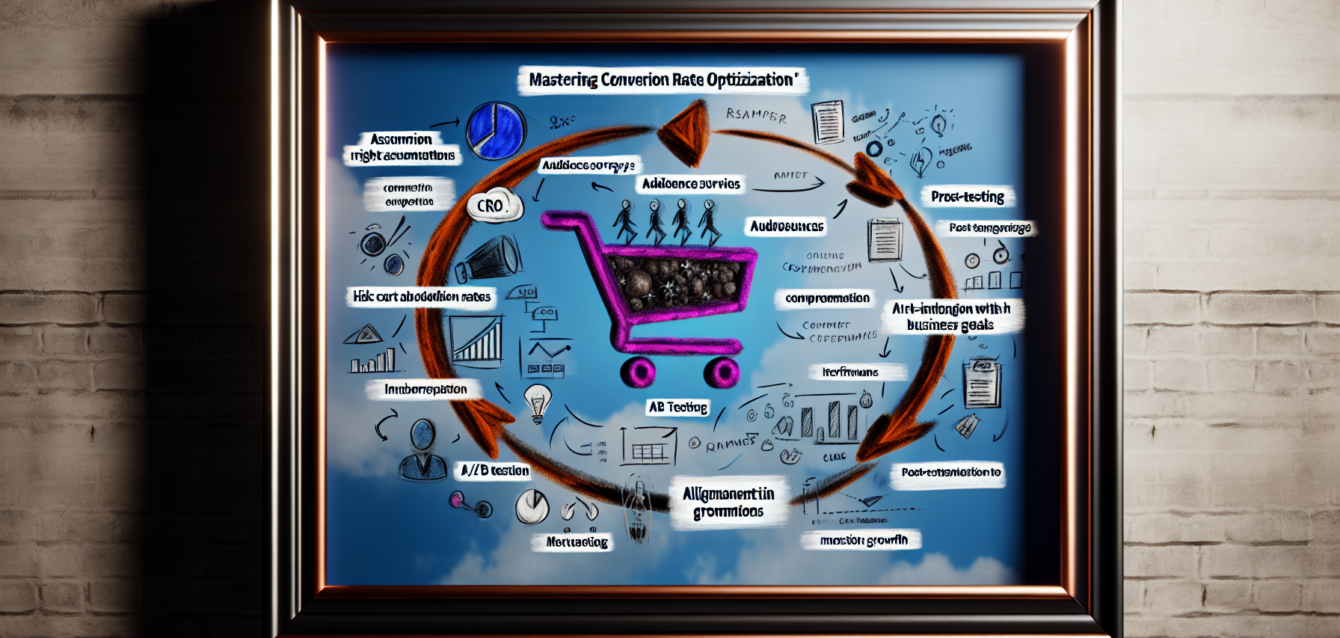
Mastering CRO: Transform Assumptions into Actionable Insights
In the competitive world of eCommerce, understanding your customers is more crucial than ever. Many businesses fall into the trap of making assumptions based on limited data or gut feelings, which can lead to misguided strategies. Instead, a structured Conversion Rate Optimization (CRO) process can help turn those assumptions into actionable insights that drive real results. Here’s how The Dreamer Designs approaches the real CRO process that works.
Understanding Your Audience
The first step in the CRO journey is to genuinely understand your audience. This involves more than just demographic data; it requires deep insights into the behaviors, preferences, and pain points of your customers. Utilize tools such as surveys, user testing, and analytics to gather comprehensive data. This groundwork allows you to build empathy for your users, which is essential for crafting solutions that resonate with them.
Formulating Hypotheses
Once you have a thorough understanding of your audience, it’s time to develop hypotheses based on the data collected. This means identifying specific areas where your current website design or marketing strategies may be falling short. For instance, if analytics show a high cart abandonment rate, your hypothesis could revolve around improving the checkout process. A clear hypothesis will guide your subsequent tests and adjustments, transforming assumptions into focused experimentation.
A core component of the CRO process is A/B testing. This method involves comparing two versions of a webpage or element to determine which one performs better. By implementing controlled experiments, you can isolate variables and make data-driven decisions. For example, you might test different call-to-action buttons or product images to see which generates more conversions. The insights gained from A/B testing provide concrete evidence that can guide your website enhancements.
Analyzing Data
Post-testing is where the real insights are unlocked. With the results in hand, the next step is to analyze the data thoroughly. Did your changes lead to improved conversion rates? What can you learn from user interactions? Utilize analytics platforms to track performance metrics and employ qualitative feedback to inform your conclusions. This stage is critical for understanding the “why” behind user behavior and for identifying future opportunities for optimization.
Iterate and Optimize
CRO is not a one-and-done process. It requires ongoing iteration and refinement. Based on your data analysis, revisit your hypotheses and make adjustments as needed. This iterative process helps keep your website relevant and aligned with user needs. Regularly testing, learning, and optimizing ensures that you are not only reacting to changes in the market but also staying ahead of the curve.
Embracing the Bigger Picture
While the CRO process focuses on improving conversion rates, it should also align with your broader business goals. Enhancements to user experience directly contribute to brand loyalty and customer satisfaction. A strong emphasis on UX design and user journey optimization reinforces the value of your brand and can establish lasting relationships with your customers.
In conclusion, moving from assumptions to insights in your CRO process is essential for sustained growth. By understanding your audience, formulating clear hypotheses, testing effectively, analyzing data, and iteratively optimizing, you can create a website that not only meets but exceeds customer expectations. The Dreamer Designs is dedicated to helping brands navigate this process, ensuring your eCommerce strategy is backed by solid insights rather than shaky assumptions.
#CRO #ConversionRateOptimization #Ecommerce #UserExperience #DataDriven #WebsiteOptimization #DigitalMarketing #CustomerJourney